
Dry needling has become an increasingly popular tool in physical therapy, especially for treating painful musculoskeletal conditions. But what does the research actually say? And how safe is it? At Seattle Rehab Specialists, we want our patients to feel informed and confident in their care. Let’s dive into the science, separate fact from fiction, and highlight best practices you should know before considering dry needling.
What is Dry Needling?
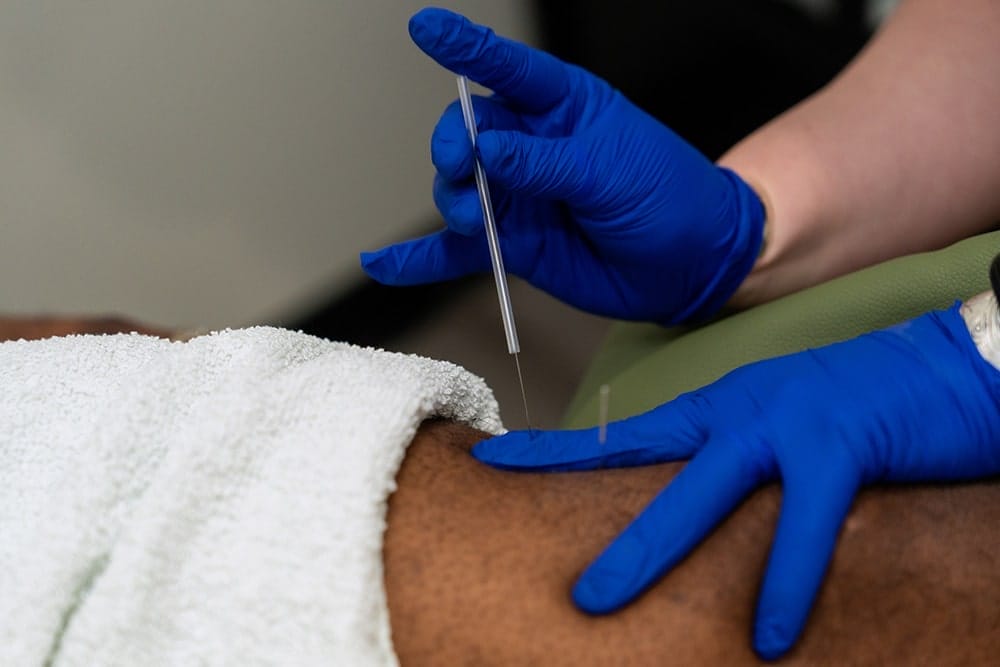
Dry needling involves inserting very thin, sterile needles into muscles to target myofascial trigger points or muscles of dysfunction. Which are hypersensitive bands of muscle tissue that can contribute to pain and movement limitations. While visually similar to acupuncture, dry needling is grounded in modern musculoskeletal science and anatomy, and its goals are specific to neuromuscular function rather than traditional energy pathways.
How Does It Work? The Theory Behind the Technique
The exact mechanisms are still being studied, but dry needling is thought to:
- Relax muscle tension by stimulating local twitch responses
- Increase local blood flow and metabolism in tight tissues
- Modulate pain signals to the nervous system
- Improve tissue extensibility and function
What Does the Evidence Say?
Short-Term Pain Relief
Research suggests that dry needling can reduce pain in the short term. Especially when compared with no treatment or sham needling. Some meta-analyses report meaningful short-term improvements in pain and pressure sensitivity when used for conditions like neck pain and myofascial trigger points.
Function and Movement
While pain relief is often reported, long-term changes in function or mobility are less consistently demonstrated. Some evidence finds benefits at 4–12 weeks, but outcomes beyond this period are not well established. However, because pain can limit a patient’s tolerance to loading and movement, decreasing symptoms may improve the ability to fully participate in the therapeutic exercise and motor retraining necessary for meaningful progress. Therefore, pairing dry needling with an active rehabilitation program is likely more optimal for achieving lasting functional outcomes.
Compared to Other Treatments
Dry needling appears to be similar in effect to some other conventional physical therapy treatments. It may offer added value when integrated thoughtfully into a broader rehabilitation plan but isn’t clearly superior in all cases.
Safety: What You Need to Know
Common Side Effects
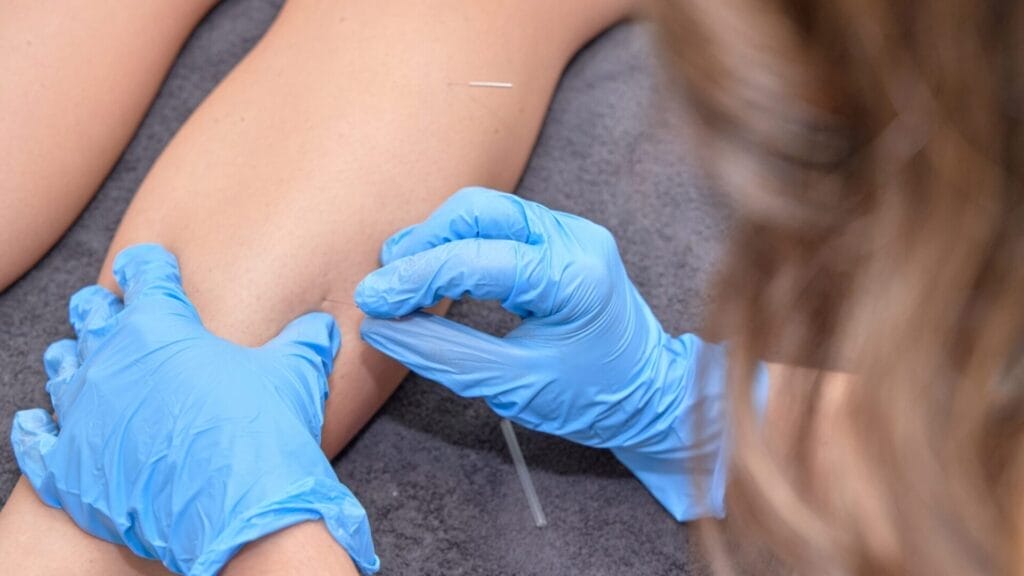
Dry needling is generally considered low-risk, but minor effects are common:
- Soreness at the site
- Bruising or minor bleeding
- Mild discomfort during or after treatment
These reactions typically resolve within 24–48 hours.
Rare Serious Risks
Serious complications such as pneumothorax (collapsed lung) or nerve injury are extremely rare but underscore the importance of proper training and technique.
Who Might Not Be a Candidate?
Dry needling may not be recommended for people with:
- Needle phobia or significant anxiety
- Local or systemic infection
- Certain vascular or immune conditions
- Pregnancy (especially early trimester, depending on context)
A thorough evaluation with your therapist helps ensure safety and appropriateness before treatment begins.
Addressing Common Myths
“Dry Needling Is Acupuncture.”
While both use needles, they are distinct. Acupuncture stems from traditional Chinese medicine, while dry needling is based on Western neuromuscular science.
“It’s Painful.”
Some discomfort can happen, but most patients describe it as tolerable. Communication with your therapist helps tailor needle depth and timing to your comfort.
“It Works for Everyone.”
Not always. Like all treatments, individual responses vary. A personalized plan ensures dry needling is used where evidence suggests benefit.
Best Practices for Safe, Effective Dry Needling
At Seattle Rehab Specialists, safety and outcome quality guide our approach. Here’s what we focus on:
1. Skilled, Evidence-Based Clinicians
All therapists performing dry needling are trained in anatomy, sterile technique, and clinical reasoning. Additionally our licensed dry needling therapists are required to have 150 hours of practice on patients, 75 hours of didactic/in-person classes in order to be endorsed in WA.
2. Thorough Assessment First
We only use dry needling when it complements your goals and aligns with your movement diagnosis.
3. Clear Communication
We explain what you might feel, typical responses, and how to maximize comfort during and after treatment.
4. Integrated Care Planning
Dry needling is most effective as part of a broader therapy plan, including exercises, manual techniques, and education.
Is Dry Needling Right for You?
If you’re struggling with muscle-related pain that hasn’t responded fully to conventional therapies, dry needling may be a useful tool when applied judiciously. As with any intervention, effectiveness depends on the individual and clinical context. Ready to explore whether dry needling might help you? Contact our team at Seattle Rehab Specialists for a personalized evaluation.