
As activity levels ramp up, especially in the spring and summer months; many runners start to notice a familiar ache around the front of the knee. Often referred to as runner’s knee, this condition is one of the most common overuse injuries among active women.
But why does it happen so often, and more importantly, what can you do to stay ahead of it?
What Is Runner’s Knee?
Runner’s knee, clinically known as patellofemoral pain, typically presents as a dull, aching pain around or behind the kneecap. It can show up during or after runs, while going up or down stairs, or even after sitting for long periods.
At its core, runner’s knee is usually less about a single injury, and more about how stress is being distributed through the knee joint over time.
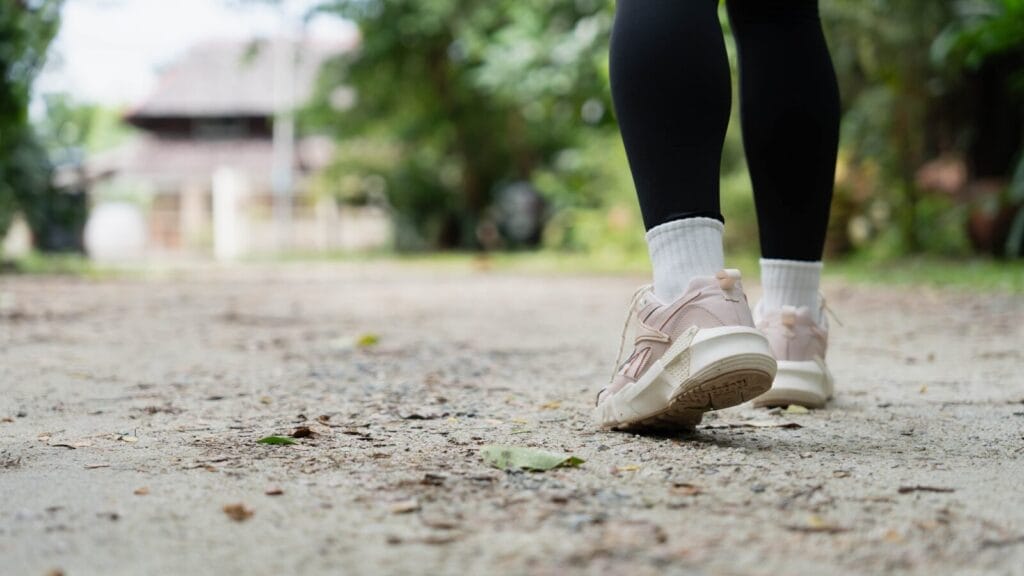
Why Active Women Are More Susceptible
There isn’t just one reason. Runner’s knee tends to develop from a combination of factors:
1. Rapid Increases in Training Load
One of the biggest drivers is simply doing too much, too soon.
- Increasing mileage too quickly
- Adding hills or speed work without progression
- Returning to activity after time off
The knee joint absorbs a significant amount of repetitive load during running. When that load increases faster than the body can adapt, irritation builds.
2. Running Mechanics
How you run matters just as much as how much you run.
Subtle mechanics such as stride length, cadence, or how your foot contacts the ground, can influence how force travels up the leg and into the knee. Over time, small inefficiencies can lead to increased stress at the kneecap.
3. Knee Joint Stress and Alignment
The kneecap (patella) is designed to glide smoothly within a groove in the thigh bone. If that tracking is slightly off, it can create irritation with repeated movement.
This is where things get a bit more interconnected.
The knee doesn’t work in isolation. It sits between the hip and the ankle. If movement above or below the knee isn’t well controlled, the knee often ends up taking on extra stress.
For example, strength and control at the hip can influence how the knee moves during running, especially with things like single-leg stability. When that control is lacking, the knee may drift inward slightly, increasing pressure at the joint.
That said, the symptoms still tend to show up at the knee. Especially under repetitive running loads.

Early Warning Signs to Watch For
Runner’s knee usually doesn’t appear overnight. It builds gradually.
Common early signs include:
- A dull ache around or behind the kneecap
- Pain that worsens with running, especially downhill
- Discomfort with stairs, squatting, or lunging
- Stiffness after sitting for long periods
Catching these signs early makes a big difference. Ignoring them often leads to longer recovery timelines.
What Helps Prevent It
The good news: most cases of runner’s knee are highly manageable and often preventable.
1. Progress Training Gradually
Avoid sudden spikes in mileage or intensity.
A simple guideline: increase total running volume by no more than 5–10% per week, especially when adding new elements like hills or speed work.
2. Pay Attention to Running Form
Small adjustments can reduce stress on the knee.
- Slightly increasing cadence (steps per minute)
- Avoiding overstriding
- Maintaining a smooth, controlled gait
Even minor changes can improve how forces are absorbed through the knee.
3. Build Strength for Support
While the knee is the primary area of symptoms, it benefits from support throughout the entire leg.
Strengthening the muscles around the knee like the quadriceps. Helps improve how the kneecap tracks. At the same time, maintaining strength and control at the hip can help guide overall movement and reduce unnecessary stress on the knee during running.
4. Don’t Ignore Pain Signals
Pain is information.
If discomfort starts to show up consistently during or after runs, it’s worth adjusting early. Whether that means reducing volume, modifying workouts, or addressing movement patterns.
Staying Active Without Setbacks
Runner’s knee is common, especially among active women, but it’s not inevitable.
By managing training load, paying attention to movement, and supporting the knee with the right strength and control, most runners can stay active without persistent pain.
If running doesn’t feel quite right, Seattle Rehab Specialists is here to help you stay moving and doing what you enjoy.