
Pickleball is one of the fastest-growing sports in America, and for good reason. It’s social, accessible, and fun for players of all ages. Across Seattle and the Pacific Northwest, courts are filling up with new players every day.
But there’s one thing many beginners don’t realize before stepping onto the court: pickleball injuries are becoming increasingly common.
The good news? Most of the injuries we see at Seattle Rehab Specialists are preventable.
Whether you’re new to the game or returning after time away from sports, understanding how pickleball challenges your body can help you stay healthy and enjoy the game for years to come.
Why Pickleball Causes More Injuries Than People Expect
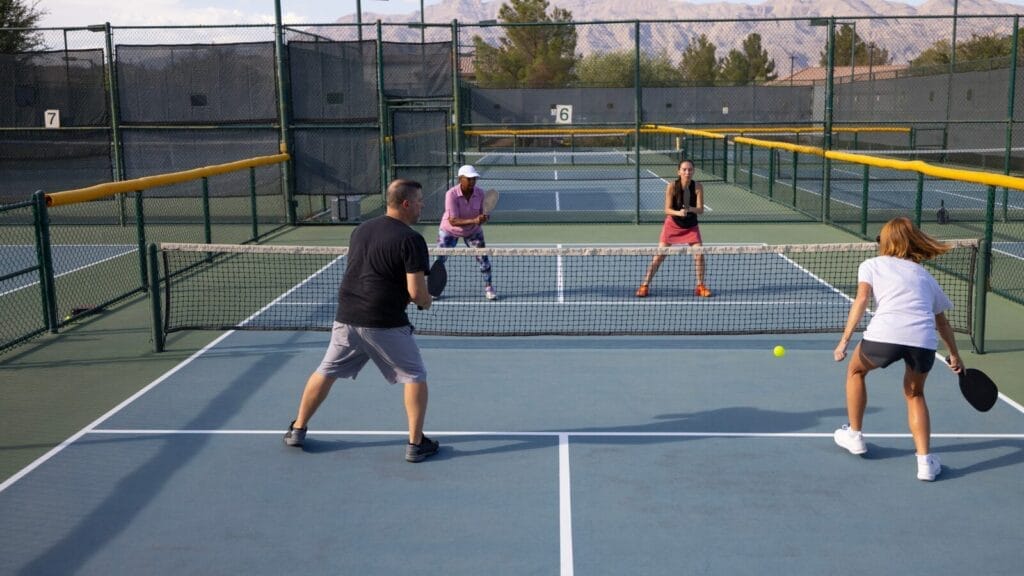
From the sidelines, pickleball looks relatively easy. The court is smaller than a tennis court, the ball moves slower, and rallies often appear less demanding.
However, pickleball places unique stresses on the body.
The sport requires:
- Quick side-to-side movements
- Sudden starts and stops
- Rapid changes in direction
- Repetitive overhead motions
- Frequent wrist and forearm activity
These movements place significant stress on muscles, tendons, joints, and ligaments that many new players haven’t conditioned for.
Many beginners are also returning to regular physical activity after years of being less active, making them more vulnerable to overuse injuries.
The Most Common Pickleball Injuries We See
Pickleball Elbow (Lateral Epicondylitis)
Often called “tennis elbow,” this condition affects the tendons on the outside of the elbow.
Repetitive dinks, drives, and paddle strokes can create irritation and inflammation, leading to:
- Burning or aching pain on the outside of the elbow
- Pain when gripping objects
- Discomfort while lifting or carrying items
- Reduced grip strength
Achilles Tendon Strains
Your Achilles tendon connects your calf muscles to your heel and absorbs significant force during movement.
Frequent sprinting, stopping, and changing direction can overload the tendon, especially when combined with:
- Tight calf muscles
- Poor warm-up habits
- Sudden increases in playing time
Rotator Cuff Irritation
The rotator cuff consists of four muscles that stabilize the shoulder joint.
Overhead serves and aggressive shots can irritate these muscles over time, often causing:
- Dull shoulder pain
- Discomfort when lifting the arm overhead
- Weakness during serving motions
- Pain that worsens after playing
Meniscus Injuries
The meniscus acts as a cushion within the knee joint.
Twisting and pivoting movements, particularly near the kitchen line, can place stress on the meniscus and surrounding structures.
Common symptoms include:
- Knee pain during turning movements
- Swelling
- Clicking or catching sensations
- Reduced range of motion
Plantar Fasciitis
Plantar fasciitis affects the thick band of tissue running along the bottom of the foot.
The repetitive shuffling and lateral movement required in pickleball can irritate this tissue and cause:
- Sharp heel pain
- Pain during the first steps in the morning
- Foot soreness after playing
- Tenderness along the arch
Wrist Sprains and Strains
The wrist absorbs a surprising amount of stress during pickleball.
Backhand dinks, flicks, and rapid paddle movements can overload the small stabilizing structures in the wrist, especially when players grip the paddle too tightly.
Symptoms often include:
- Wrist pain during play
- Reduced grip strength
- Soreness after matches
- Limited wrist mobility
Don’t Forget About Falls
Falls are among the most serious pickleball injuries, particularly for players over 60.
Common injuries resulting from falls include:
- Wrist fractures
- Hip injuries
- Knee injuries
- Cuts and abrasions
Because pickleball is played on hard court surfaces, proper footwear and court awareness are essential for reducing fall risk.
Why New Players Get Hurt More Often
Experience in pickleball isn’t just about skill. It’s also about physical adaptation.
New players often face a higher injury risk because:
- Tendons and ligaments adapt more slowly than cardiovascular fitness.
- Movement mechanics and technique are still developing.
- Playing sessions often exceed what the body is conditioned for.
- Competitive games can push players beyond their current physical capacity.
This doesn’t mean you shouldn’t play. It simply means you should build up gradually.
How to Prevent Pickleball Injuries
Warm Up With Movement
Static stretching alone doesn’t adequately prepare the body for pickleball.
Instead, spend 5-8 minutes performing dynamic movements such as:
- Leg swings
- Hip circles
- Arm circles
- Side shuffles
- Walking lunges
The goal is to increase blood flow and prepare your muscles for movement.
Wear Court-Specific Shoes
Many injuries occur because players wear running shoes instead of court shoes.
Running shoes are designed primarily for forward movement, while pickleball requires significant lateral stability.
Court shoes provide better support during side-to-side movements and can help reduce ankle and knee injuries.
Limit Playing Time Early On
During your first month of playing, consider limiting sessions to approximately 45-60 minutes.
Even if you feel great, your tendons and joints are still adapting to the new demands of the sport.
Gradually increasing your playing time can significantly reduce injury risk.
Use Your Legs
Many beginners rely too heavily on their arms and shoulders.
Learning to:
- Bend your knees
- Stay in an athletic position
- Generate power from your legs
helps distribute force throughout the body and reduces stress on the upper extremities.
Pay Attention to Early Warning Signs
Small aches and pains often develop before serious injuries occur.
Don’t ignore:
- Persistent elbow soreness
- Morning heel pain
- Shoulder stiffness
- Lingering knee discomfort
Addressing minor symptoms early is typically faster, easier, and less expensive than treating a more advanced injury later.
When Should You See a Physical Therapist?
Stop Playing Immediately If:
- You experience sharp or sudden pain.
- Pain changes the way you move.
- Significant swelling develops during or after play.
Schedule an Evaluation Within 1-2 Weeks If:
- Pain consistently returns while playing.
- Symptoms last longer than 48-72 hours after activity.
- Discomfort has persisted for more than two weeks.
Seek Prompt Medical Care If:
- You cannot bear weight on a joint.
- Significant swelling or bruising develops.
- You hear or feel a “pop.”
- You experience numbness or tingling.
Early intervention often means a faster return to the court and a lower risk of long-term complications.
Are Older Adults More at Risk?
While pickleball is a fantastic activity for older adults, age-related changes can increase injury risk.
Factors such as reduced tendon elasticity, lower bone density, balance changes, and slower recovery times all play a role.
That said, many players continue enjoying pickleball well into their later years.
The key is combining on-court play with:
- Strength training
- Balance exercises
- Mobility work
- Proper recovery
If you’re returning to exercise after a long break or managing a previous injury, a physical therapy evaluation can help identify potential risk factors before they become problems.
Stay Healthy and Enjoy the Game
Pickleball should improve your health, not limit it.
Whether you’re dealing with an existing injury, looking to prevent future problems, or simply want guidance on moving better on the court, the team at Seattle Rehab Specialists is here to help.
Our physical therapists work with athletes and active adults throughout the Seattle area to improve movement, reduce pain, and keep people doing the activities they love.